
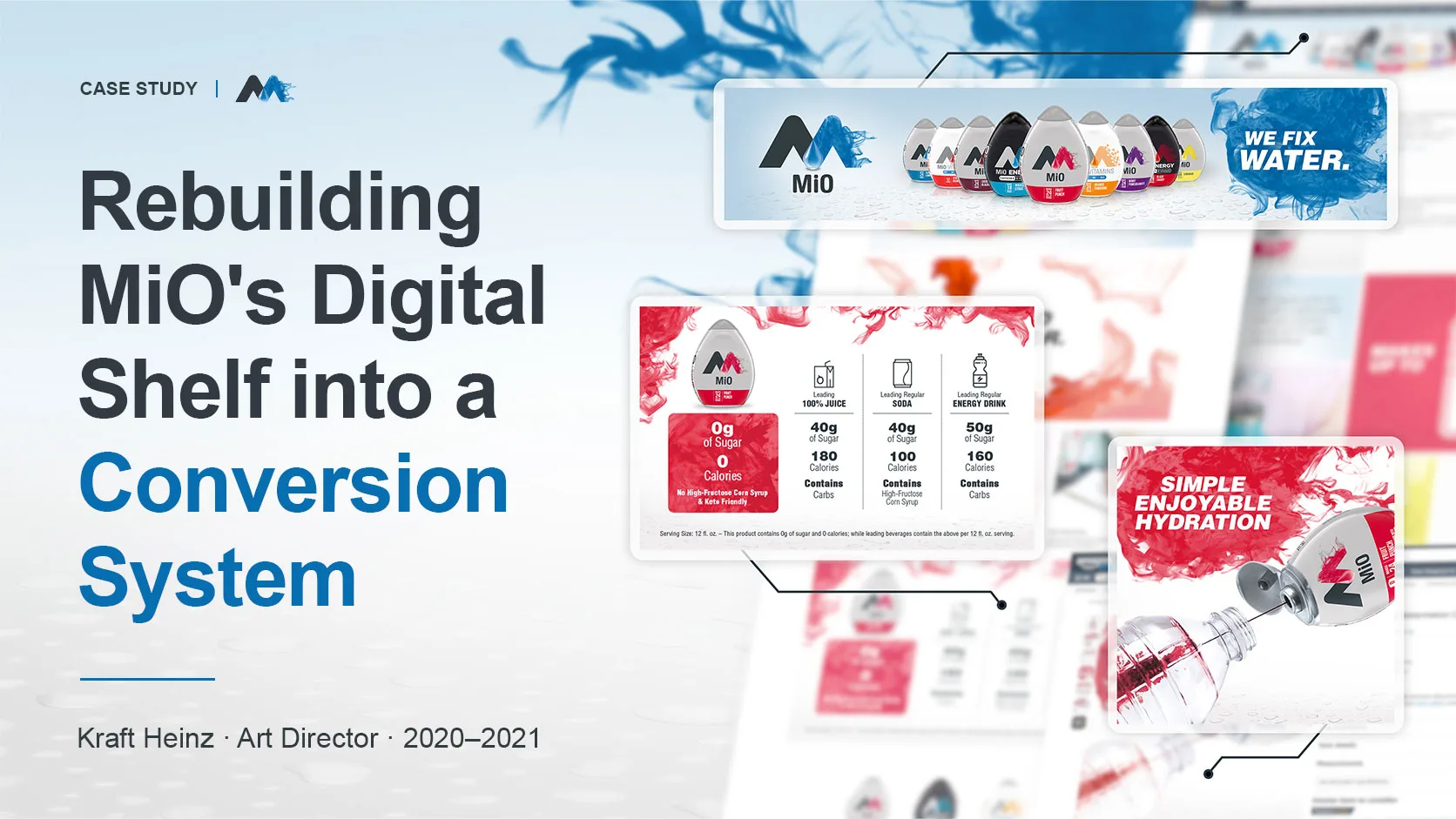
MiO had strong brand recognition, but its digital shelf was not converting as efficiently as it should have. The Amazon Brand Store was outdated, A+ content lacked structure, and Kroger placements were inconsistent. Creative was being adapted channel by channel without unified conversion logic.
This was not just a design issue. It was revenue leakage.
Kraft Heinz's consumer decision tree showed that flavor, sugar claims, and nutrition callouts were the top purchase drivers, but the shelf was not structured around any of them. The problem was not a lack of assets. It was a mismatch between what shoppers cared about and what the shelf emphasized.
MiO's target consumer (the 'Pleasure Hacker' seeking bold flavor without guilt) was not being served within the first scroll.
← Case Studies / Kraft Heinz / MiO
Rebuilding MiO's digital shelf into a conversion system
Led the digital shelf rebuild for MiO. UX and multi-channel creative consolidated into one conversion system that contributed to measurable Amazon sales lift.
~8%
Amazon sales lift, MiO YoY
$143K
Brand Store sales generated
39
SKUs supported
01 · Context
Strong brand. Fragmented shelf.
Selected work
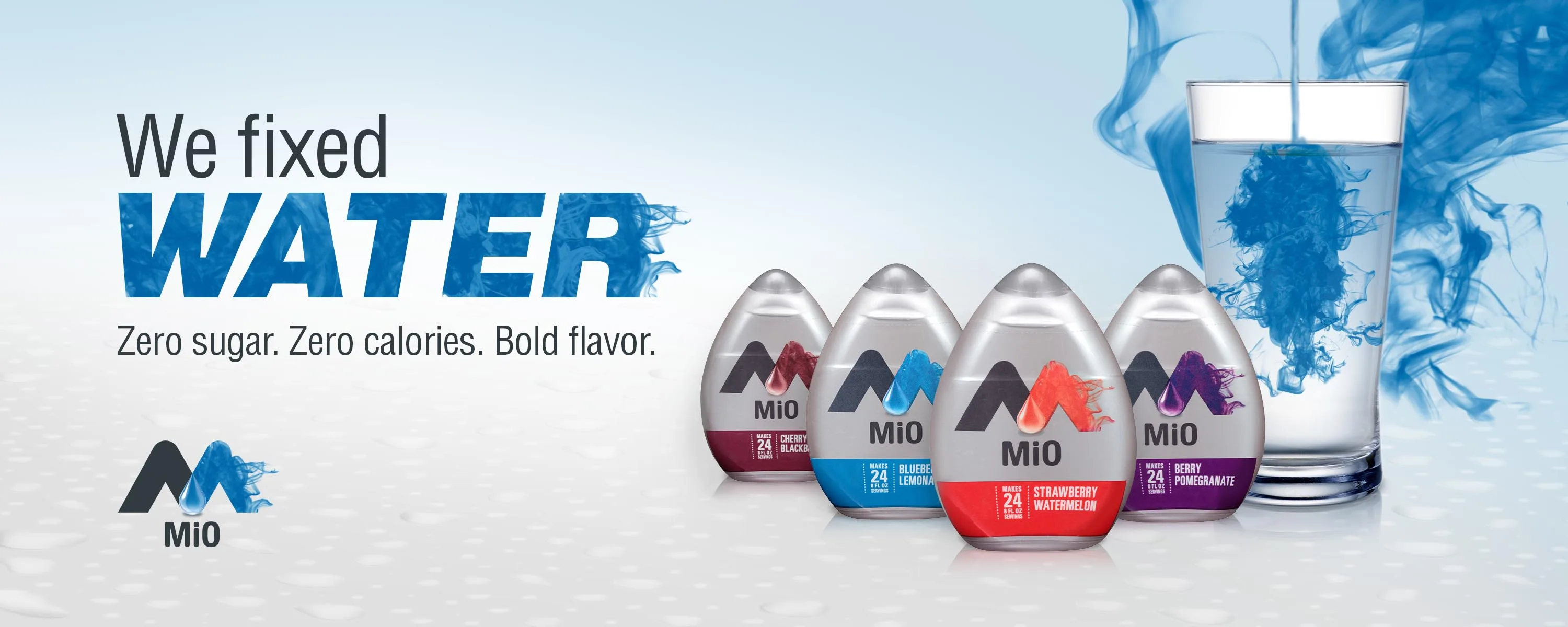
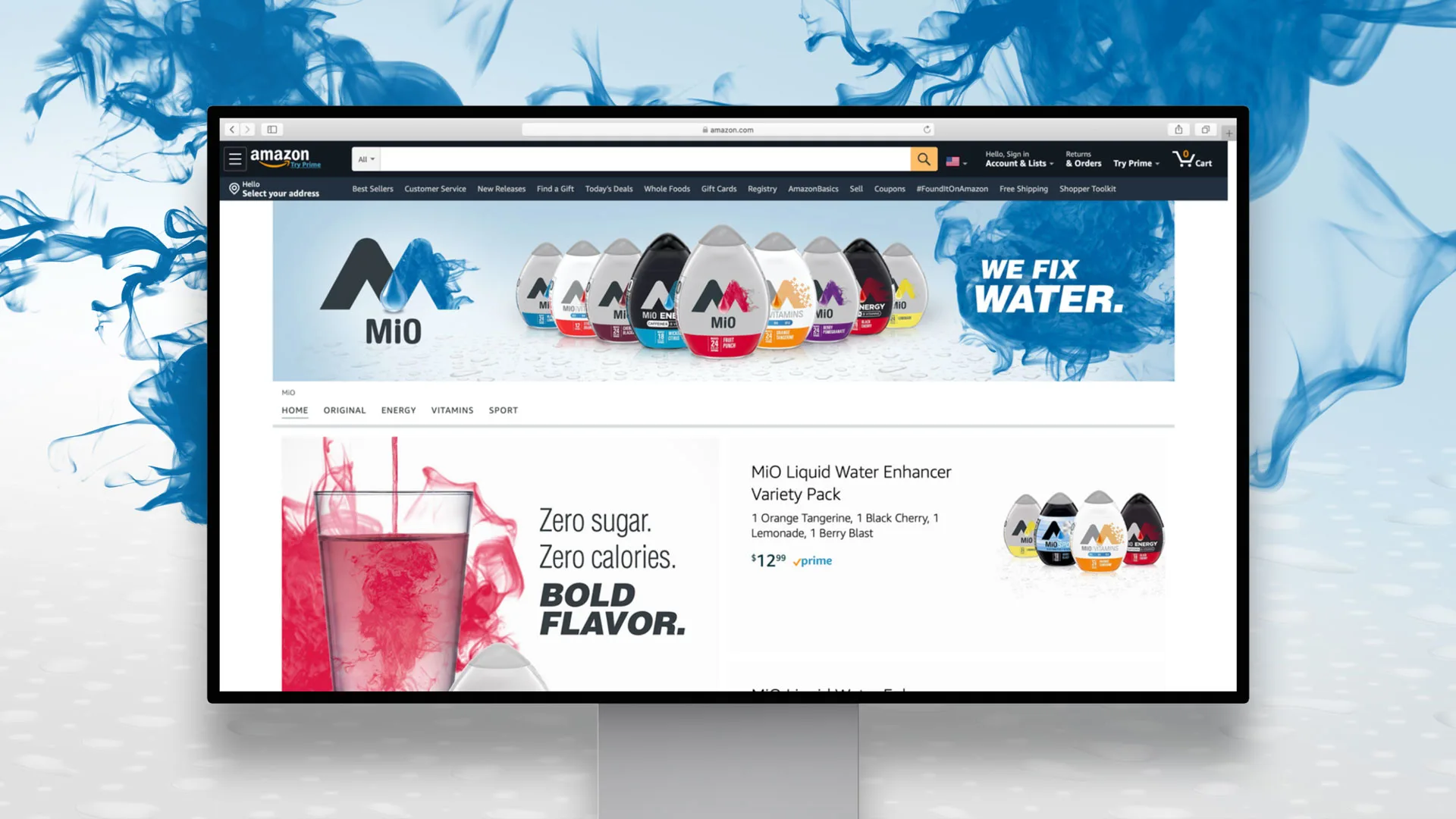
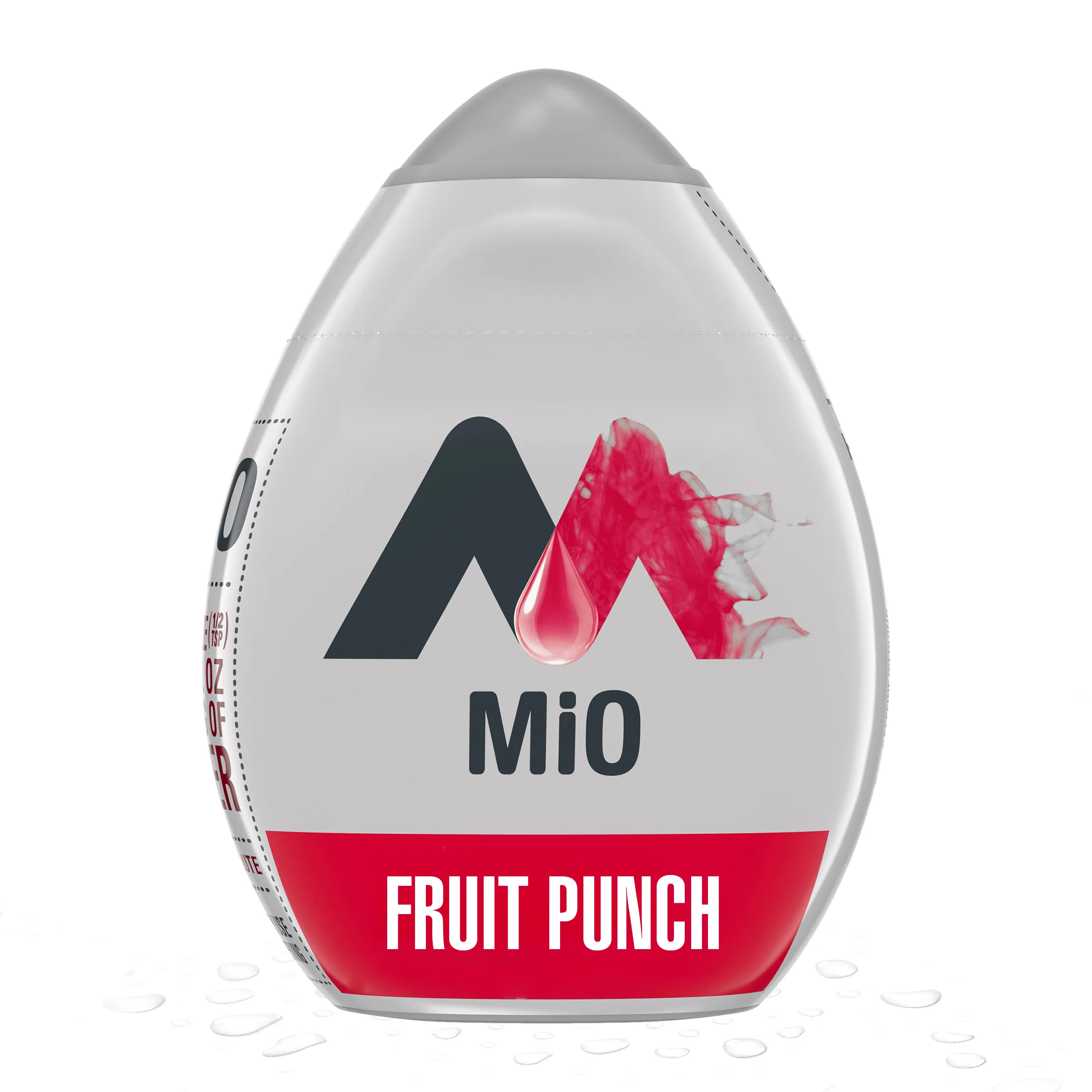
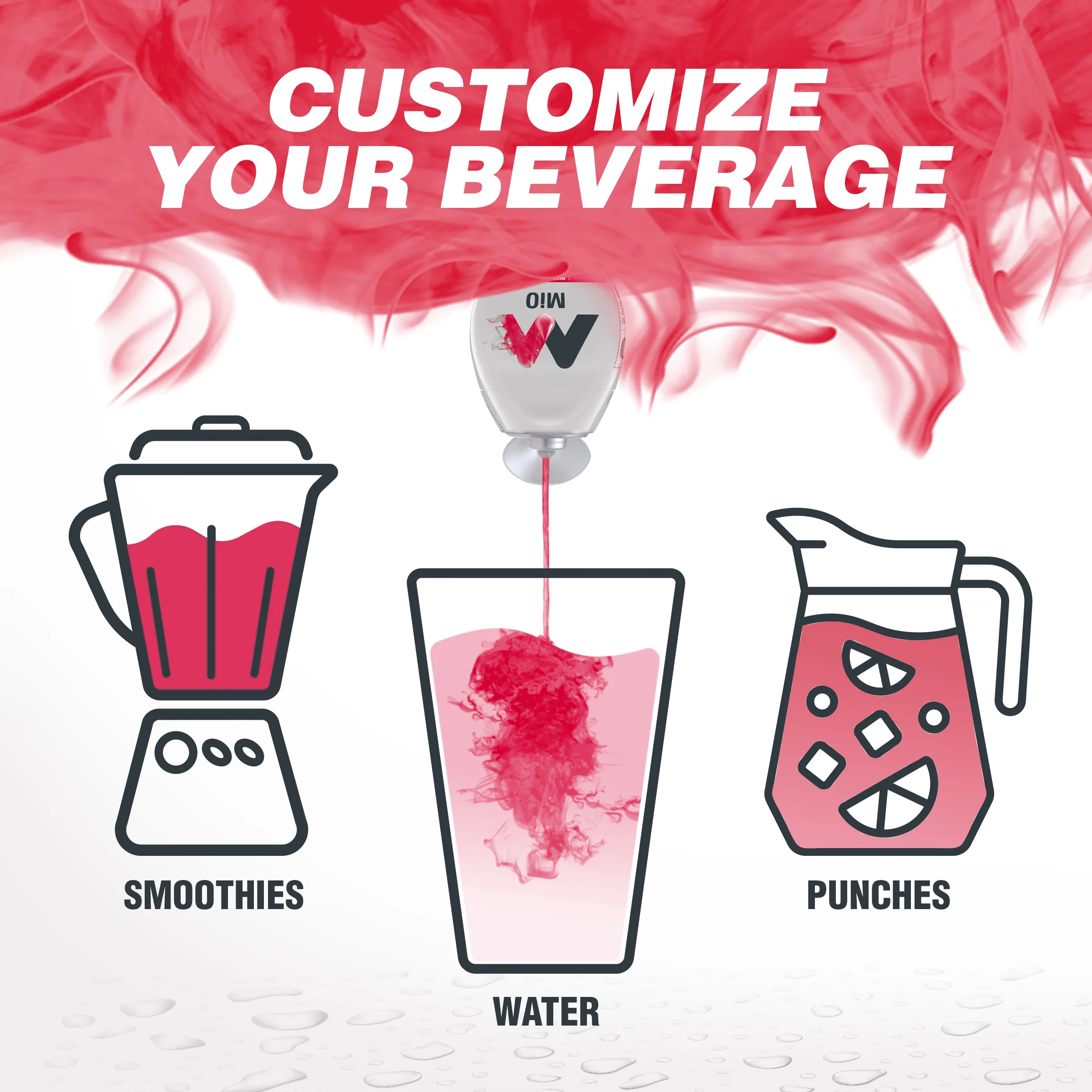
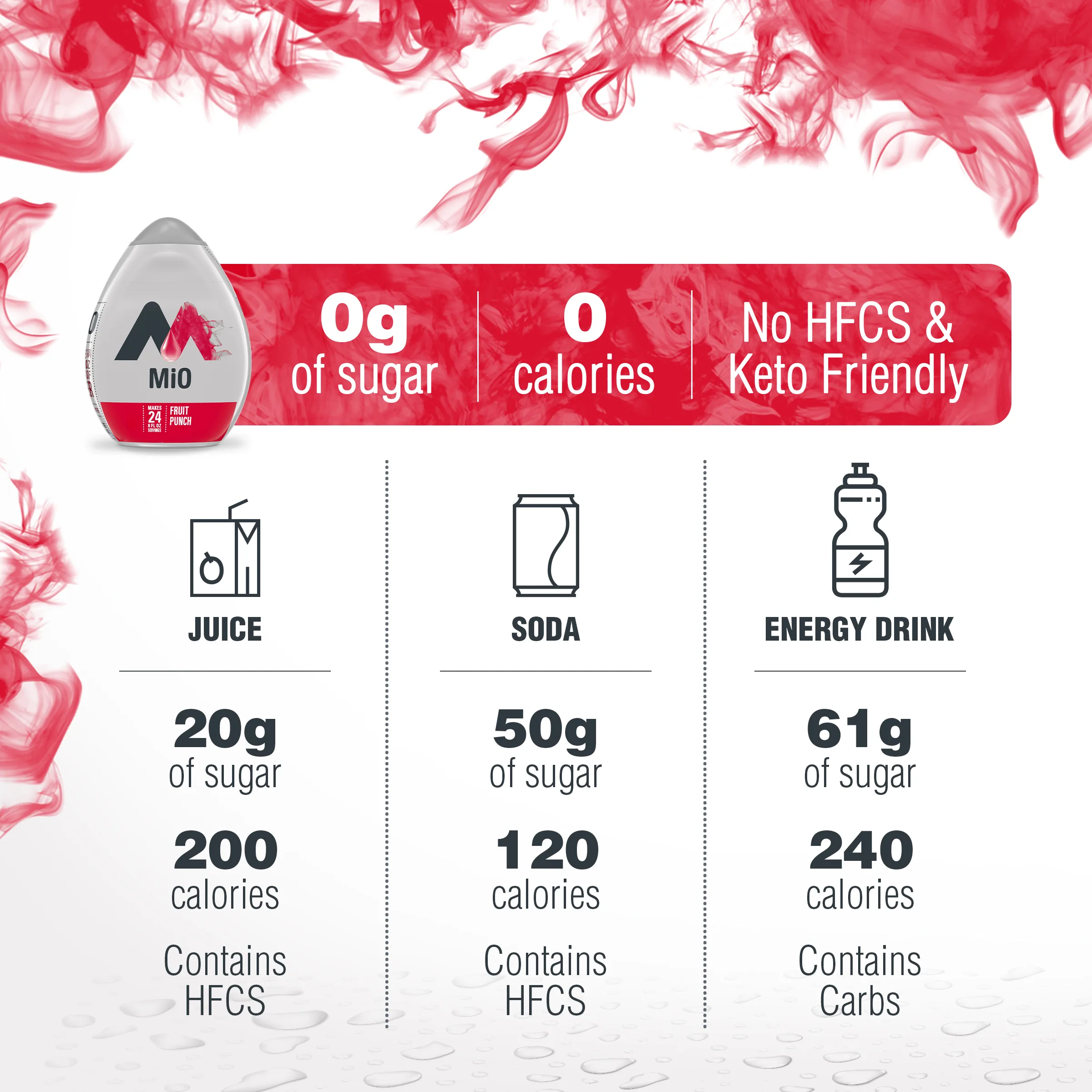
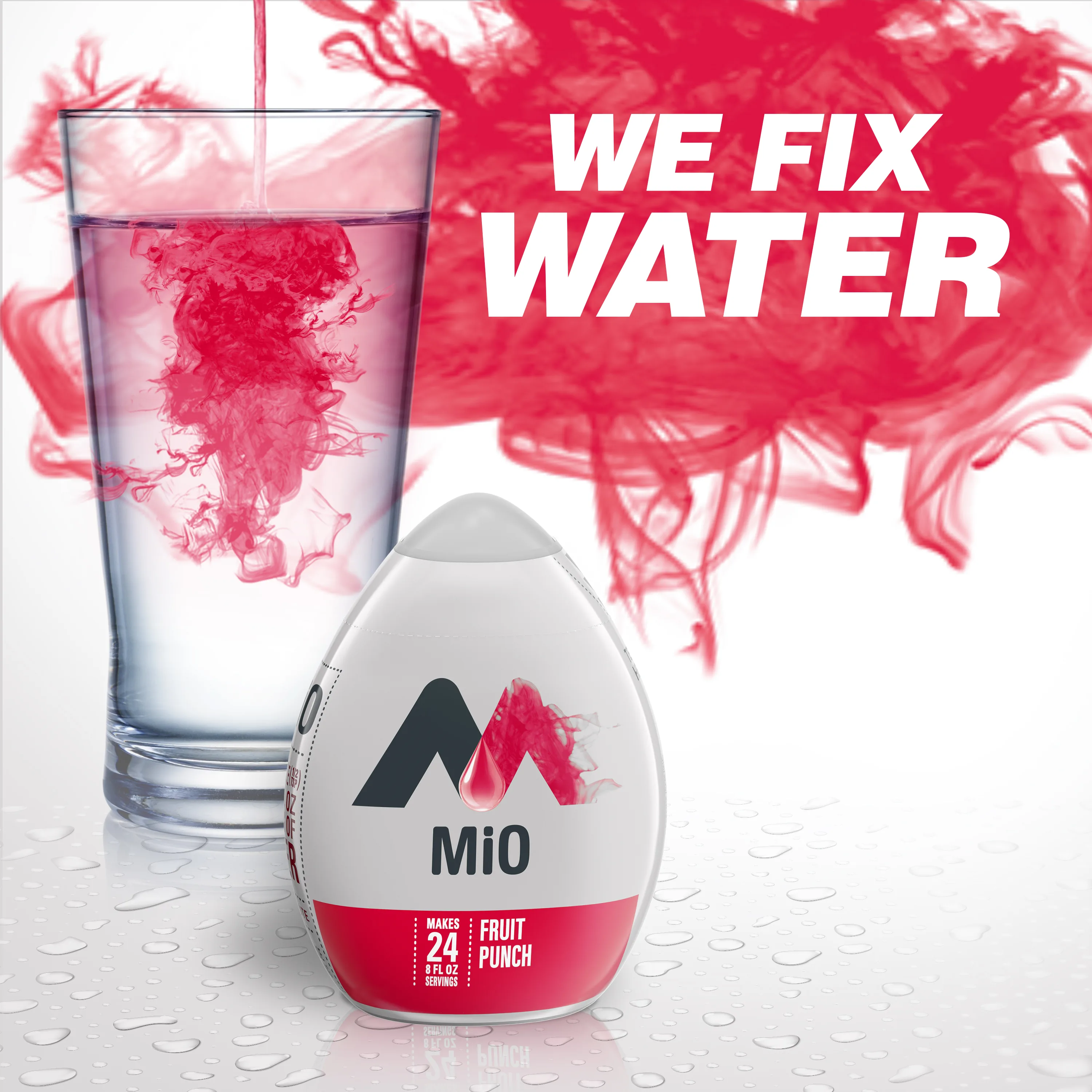
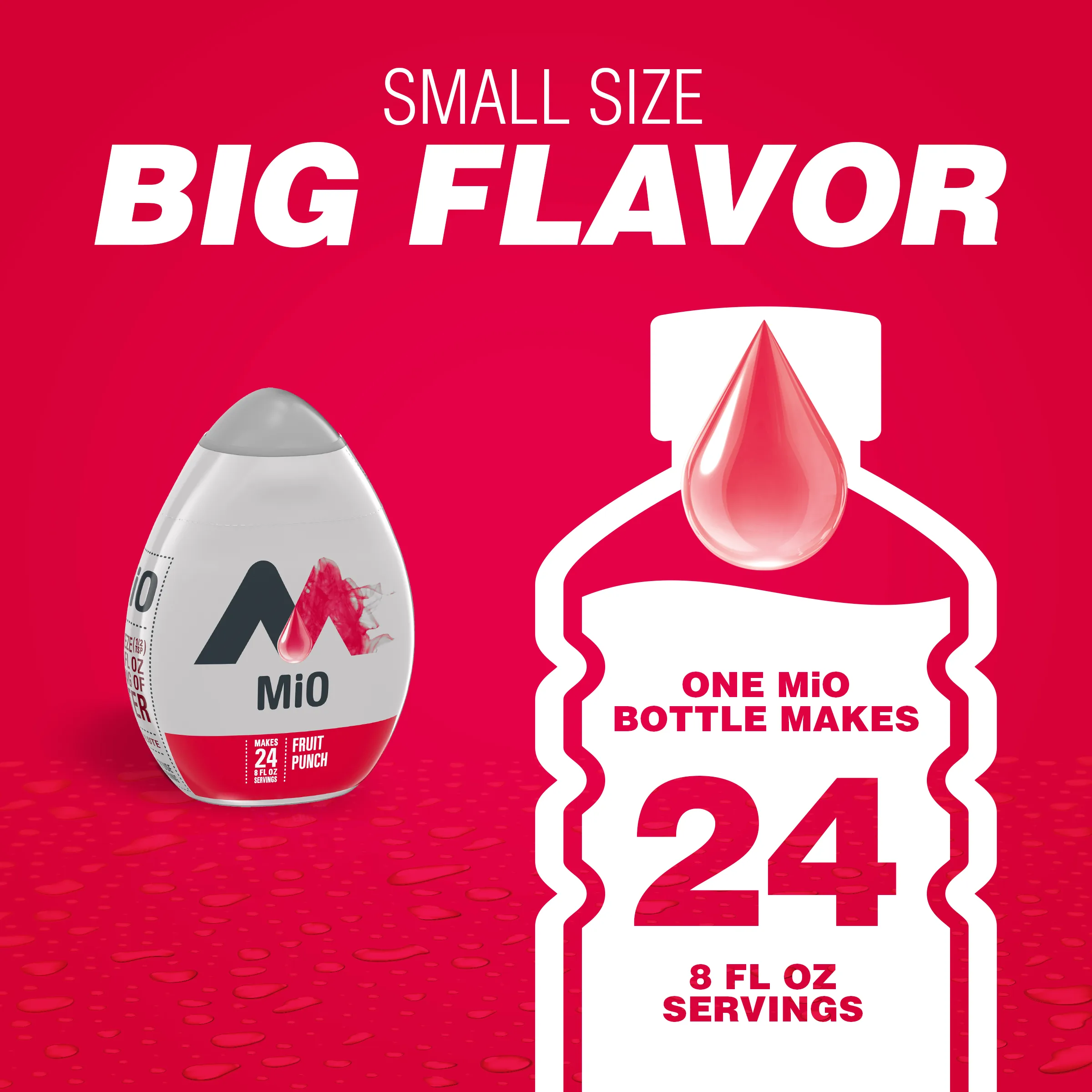
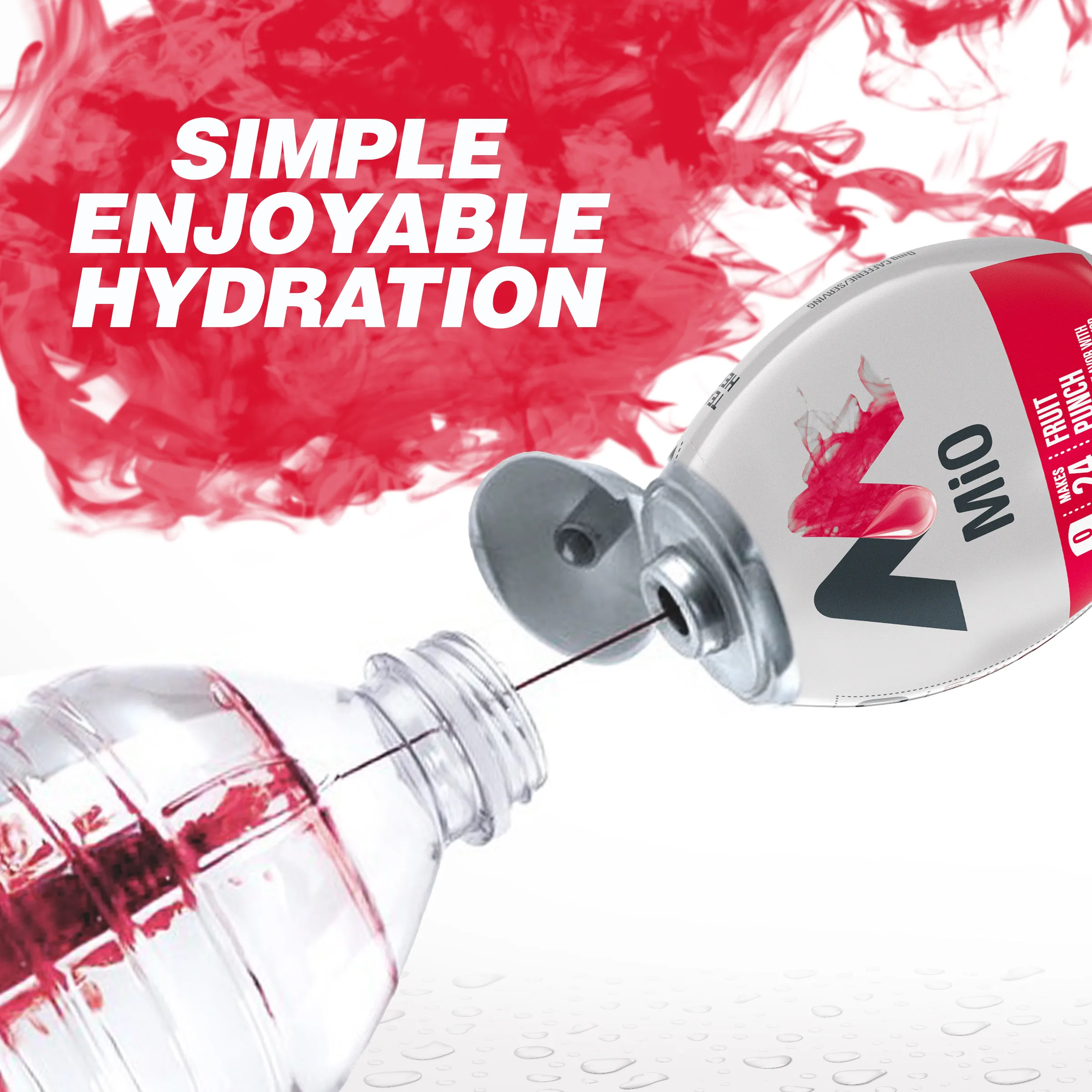
Key Insight
Most teams treat the digital shelf as production. The teams that convert treat it as a system.
The lift did not come from better design. It came from aligning shopper decision data, brand storytelling, conversion UX, and platform constraints into one system.
Each asset was structured to help a specific shopper make a specific decision in a specific channel. That alignment is what turned the shelf into a revenue system.
Sales lift based on internal Kraft Heinz reporting, YoY same-period for MiO. Brand Store performance based on Amazon Brand Analytics. Contribution tied to the digital shelf redesign window; cannot isolate from pricing, media spend, or competitive dynamics.
 LinkedIn
 GitHub
 Portfolio